

Discover Comprehensive Digital Icon Libraries: Explore, Select, and Integrate Digital Icon Sets for Business and Marketing
In the digital age, visual communication has become paramount for businesses aiming to capture attention and convey messages effectively. Digital icon libraries serve as essential resources, providing a vast array of icons that enhance branding and marketing efforts. This article delves into the significance of digital icon libraries, exploring their formats, licensing, design trends, and integration strategies. Readers will learn how to select the right icons for their projects, ensuring compatibility and compliance with legal standards. By understanding the latest trends and best practices, businesses can leverage these resources to improve their visual communication strategies.
What Are Digital Icon Libraries and Their Importance for Business?
Digital icon libraries are collections of graphical symbols that represent ideas, actions, or objects, designed to enhance visual communication in various digital platforms. These libraries are crucial for businesses as they simplify complex concepts, making information more accessible and engaging for audiences. By utilizing icons, companies can create a cohesive visual identity that resonates with their target market, ultimately driving engagement and brand recognition.
Defining Digital Icon Sets and Vector Icon Collections
Digital icon sets consist of a curated collection of icons that can be used across different media. Vector icon collections, in particular, are scalable graphics that maintain quality at any size, making them ideal for both web and print applications. Examples of popular vector icon collections include “Font Awesome” and Material Icons, which offer a wide range of customizable options for various design needs.
How Icon Libraries Enhance Visual Communication in Marketing
Icon libraries play a pivotal role in marketing by providing visual elements that can simplify complex ideas and enhance user experience. For instance, using icons in infographics can help break down information into digestible parts, making it easier for audiences to understand key messages. Studies show that visual content is processed 60,000 times faster than text, highlighting the importance of incorporating icons into marketing strategies to boost audience engagement.
Which Icon Formats and Compatibility Options Should Businesses Consider?
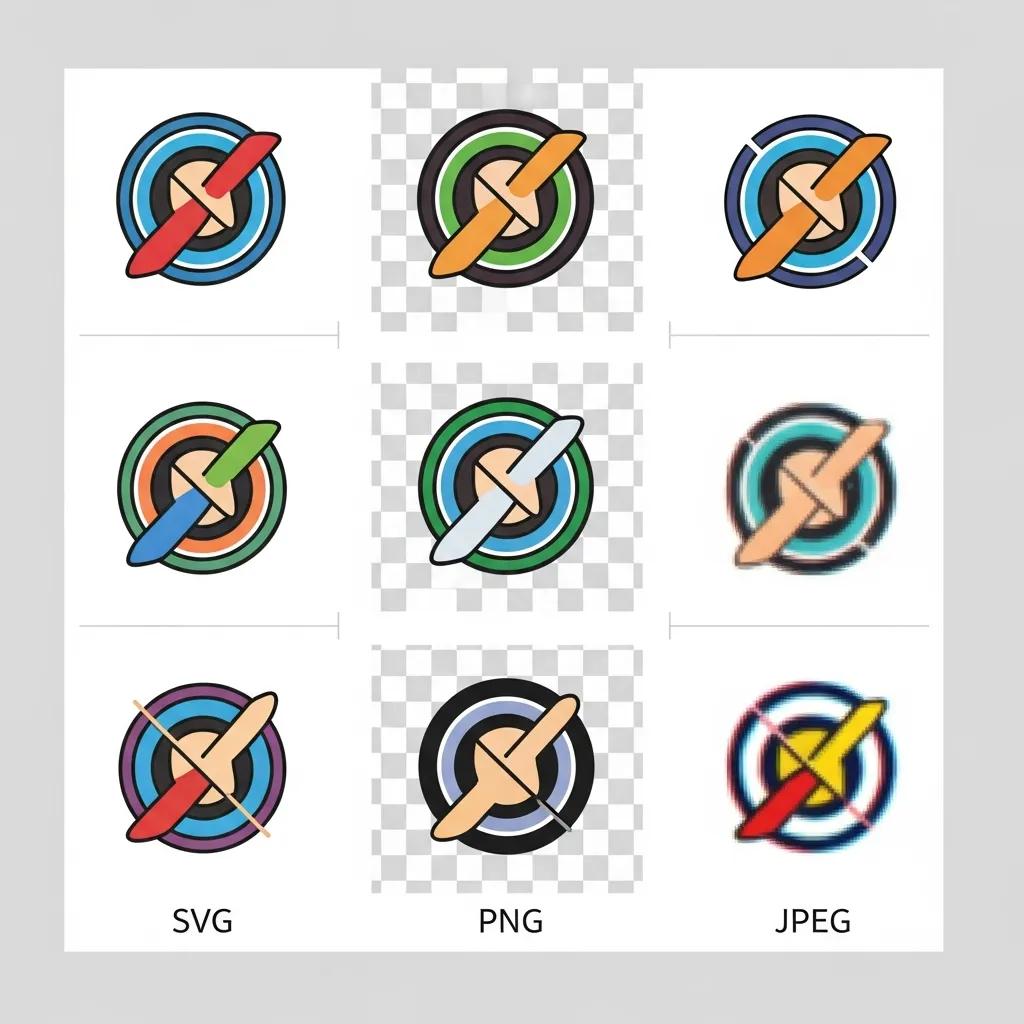
When selecting icons for digital use, businesses must consider various formats and their compatibility with different platforms. The most common formats include SVG, PNG, and JPEG, each offering unique advantages depending on the use case.
Comparing SVG, PNG, and Other Icon Formats for Digital Use
| Format | Advantages | Disadvantages |
|---|---|---|
| SVG | Scalable without loss of quality, smaller file size | Requires more technical knowledge to implement |
| PNG | High-quality images with transparency support | Larger file sizes compared to SVG |
| JPEG | Good for photographs and complex images | No transparency, lossy compression |
SVG icons are particularly favored for web applications due to their scalability and smaller file sizes, while PNGs are often used for images requiring transparency.
Ensuring Icon Compatibility Across Marketing Platforms
To ensure icons function seamlessly across various marketing platforms, businesses should adhere to best practices such as testing icons on multiple devices and browsers. Additionally, using standardized formats like SVG can enhance compatibility, as they are widely supported across modern web technologies. Regular updates and maintenance of icon libraries are also essential to address any compatibility issues that may arise.
What Licensing and Usage Rights Apply to Digital Icon Libraries?
Understanding the licensing and usage rights associated with digital icon libraries is crucial for businesses to avoid legal complications. Different licenses dictate how icons can be used, modified, and distributed.
Understanding License Types for Downloadable Icon Packs
Icon packs typically come with various license types, including free, commercial, and extended licenses. Free licenses often allow personal use only, while commercial licenses permit usage in business contexts. Extended licenses may offer additional rights, such as the ability to modify icons or use them in merchandise.
How to Legally Use Icons in Business and Marketing Materials
To legally use icons in business materials, companies must adhere to the terms outlined in the license agreements. This includes providing proper attribution when required and ensuring that icons are not used in a manner that could mislead consumers. Familiarizing oneself with these legalities can prevent potential disputes and ensure compliance with copyright laws.
The complexities of digital content licensing, particularly concerning end-user agreements and copyright, are further elaborated in legal scholarship.
Navigating Digital Icon Licensing & Copyright
1. The recently adopted Digital Content Directive laid down some core rules concerning contracts for the supply of digital content to consumers. The Directive entitles consumers to use remedies for lack of conformity of content when the restrictions on its use breach reasonable consumer expectations. Digital content typically contains works protected under copyright and is supplied subject to end-user licensing agreements, under which a copyright holder exercises their exclusive rights to disseminate protected work. The new Directive provides consumers with contractual remedies if the use of digital content is prevented or limited due to the violation of third-party rights in breach of the subjective and objective conformity requirements.
Limitations in end-user licensing agreements: is there a lack of conformity under the new Digital Content Directive?, K Sein, 2020
What Are the Latest Trends in Icon Design for Business Applications?
Icon design is continually evolving, with new trends emerging to meet the demands of modern digital communication. Staying updated on these trends is essential for businesses looking to maintain a contemporary visual identity.
Emerging Styles and Accessibility Standards in Icon Design
Current trends in icon design emphasize minimalism and flat design, which prioritize simplicity and clarity. Additionally, accessibility standards are becoming increasingly important, with designers focusing on creating icons that are easily recognizable and usable for individuals with disabilities. This includes considerations for color contrast and size, ensuring that icons are effective for all users.
How Customizable Icon Sets Support Brand Identity
Customizable icon sets allow businesses to tailor their visual elements to align with their brand identity. By incorporating brand colors and styles into icon designs, companies can create a cohesive look that enhances brand recognition. This customization not only strengthens brand identity but also fosters a deeper connection with the audience.
Further insights into leveraging digital icons for a strong brand presence are highlighted in research on creating iconic brand identities.
Creating Iconic Brand Identities with Digital Icons
extending a logo into a complete brand identity system Why one logo is more effective than another How to create their own iconic designs What sets some designers above the rest
Logo design love: A guide to creating iconic brand identities, 2014
How Can Businesses Integrate Digital Icon Libraries into Marketing Platforms?
Integrating digital icon libraries into marketing platforms can significantly enhance visual communication and user experience. This process involves several steps to ensure effective implementation.
Step-by-Step Guides for Icon Integration in Digital Projects
- Identify Needs: Determine the specific icons required for your project based on the content and audience.
- Select Icons: Choose icons from a reputable library that align with your brand and messaging.
- Test Compatibility: Ensure that the selected icons function correctly across all intended platforms and devices.
- Implement Icons: Integrate the icons into your digital assets, ensuring they enhance rather than detract from the overall design.
Tools and Software for Managing Icon Libraries Efficiently
Several tools and software solutions can help businesses manage their icon libraries effectively. Popular options include:
- IconJar: A tool for organizing and searching through icon collections.
- Noun Project: A platform offering a vast library of icons with easy search functionality.
- Figma: A design tool that allows for collaborative icon usage and customization.
These tools streamline the process of finding and implementing icons, making it easier for teams to maintain consistency in their visual communication.
Why Is Accessibility and Usability Critical in Choosing Icon Libraries?
Accessibility and usability are paramount when selecting icon libraries, as they ensure that all users can engage with content effectively. Icons should be designed with inclusivity in mind, catering to diverse audiences.
Checklist for Accessibility Compliance in Icon Design
To ensure accessibility compliance, consider the following checklist:
- Color Contrast: Ensure sufficient contrast between icons and backgrounds.
- Size and Scalability: Icons should be easily scalable without losing clarity.
- Alternative Text: Provide descriptive alternative text for screen readers.
Benefits of Usable Icons for Diverse Audiences
Usable icons enhance user experience by providing clear visual cues that guide users through digital content. This clarity is especially important for individuals with cognitive disabilities, as well-designed icons can simplify navigation and improve overall engagement.
Research further emphasizes the role of well-designed web icons as a digital language that significantly influences user perception and interaction.
Designing User-Friendly Web Icons for Visual Communication
Ultimately, this thesis offers valuable insights into how web icons function as a digital language, influencing user perception and interaction, and provides practical guidelines for designing more effective and user-friendly visual communication in digital environments.
The Digital Language: The Design and Interpretation of Web Icons, 2025